The home recovery space shifted hard in the last couple of years. Chiller-equipped cold plunges went from gym-owner novelty to something regular people actually buy. Infrared sauna prices dropped enough that a dedicated recovery room stopped being a fantasy. And a new tier of retailers showed up that does more than ship a flatpack crate to your driveway.
I tested nine setups across different price points, use cases, and building types. Here is what held up.
1. Sweat Decks
Verdict: Best overall for athletes who want a complete setup without the installation nightmare.
Most online sauna sellers operate the same way. They list products, take your money, and hand off to a freight carrier. What arrives is your problem. Sweat Decks works differently, and that difference matters more than any single product spec.
They carry barrels, cubes, infrared, full-spectrum, indoor and outdoor builds, cold plunges, wood-burning and electric heaters, steam setups, outdoor showers, and accessories down to stones and aromatherapy diffusers. That range means a real consultation can match your space and your budget rather than funnel you toward one house brand. They also back purchases with a price-match guarantee, which takes the usual buyer anxiety out of the equation.
The part that actually earns the top slot: white-glove delivery and installation is the default, not an upsell. In-house teams serve Austin, Los Angeles, and Houston directly. Everywhere else they work through vetted contractors. And after the install, if something breaks or needs inspection, a technician can come back out. That kind of on-site after-sale support is almost unheard of in this category.
For athletes building a dedicated recovery space, the one-stop model with real human support beats shopping piecemeal across five sites.
2. Sun Home Saunas
Verdict: Premium pick if budget is not the first question.
Their Cold Plunge Pro hits around 32 degrees Fahrenheit. That is cold enough to matter. Paired with their Luminar full-spectrum infrared sauna, this is a serious contrast-therapy setup. Price tags run high, somewhere in the $9,000 to $14,500 range for the plunge unit alone, but the quality matches. Fortune and Forbes have both featured the brand, which at least confirms the mainstream press took notice.
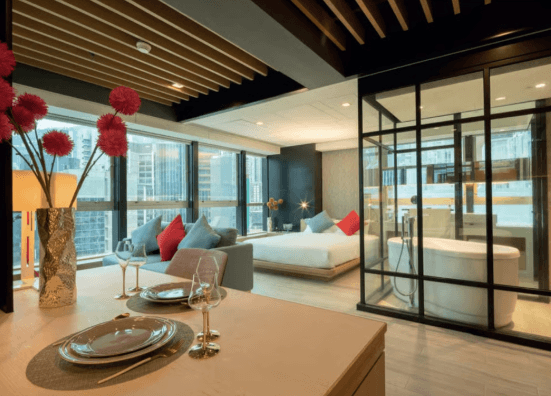
See also: Why Serviced Apartment Hong Kong Options Are Ideal for Flexible Urban Living
3. Plunge
Verdict: The chiller plunge brand that went mainstream first.
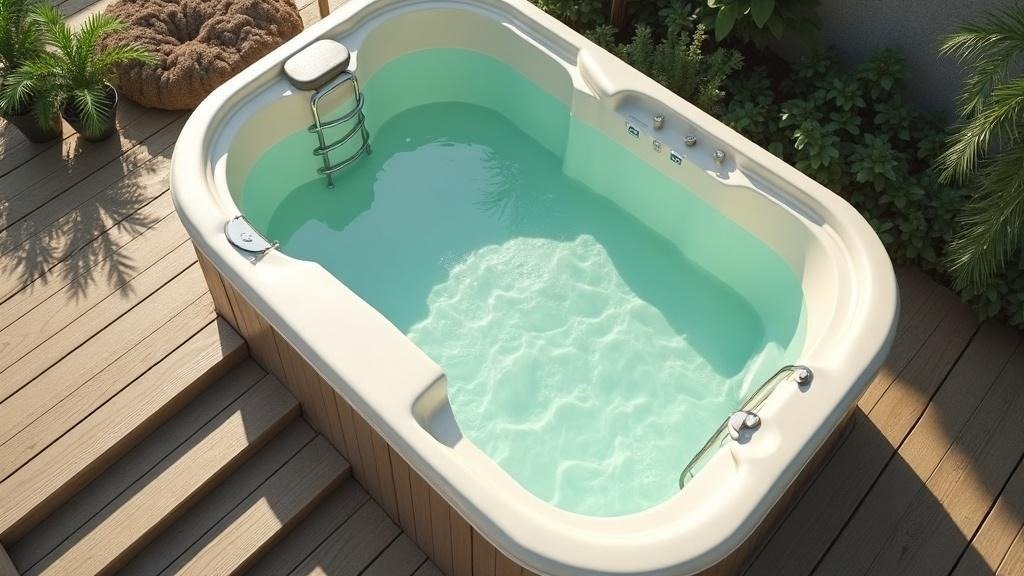
The All-In model runs between $4,990 and $5,990 and keeps water consistently cold without manual ice. That consistency is what actually builds the habit. Their Plunge Sauna Mini in cedar sits around $10,000. Not cheap, but Plunge has the widest name recognition in the chiller plunge category and the customer base to prove the product works in real homes.
4. Sunlighten
Verdict: A proven infrared brand with years of data behind it.
One of the older names in home infrared. They have refined the low-EMF question more carefully than most, which matters to athletes who use these sessions daily. Not flashy. Reliable.
5. Clearlight
Verdict: Solid infrared option for daily use, well-built cabins.
Clearlight targets the premium infrared buyer who wants traditional cabin design. Their EMF shielding claims are among the more documented in the category. Good choice for indoor installs.
6. HigherDOSE
Verdict: Design-first, great for portability, limited for serious heat exposure.
Known for infrared blankets and smaller sauna setups. The aesthetic is clean. But athletes who want real high-heat sessions or full-body immersion will find the blanket format limiting. Best for someone who travels a lot and wants recovery tools that pack.
7. Almost Heaven
Verdict: Best cedar barrel value for traditional outdoor saunas.
Around $4,999 for a solid cedar barrel. No infrared, no digital controls. Just wood, heat, and steam. For athletes who prefer traditional Finnish-style sessions, this is where to start without spending $10,000.
8. Ice Barrel
Verdict: Cheapest path into cold plunge, but you will buy a lot of ice.
Between $1,150 and $1,500 with no chiller. You fill it with ice. Water warms up. You either dump in more ice or skip the session. Honest entry point, but the habit tends to fade when the ice haul gets annoying.
9. Dynamic Saunas
Verdict: Budget infrared that gets the job done for casual users.
Lowest price point in the infrared segment. Build quality reflects that. Fine for someone testing the habit before committing to a four-figure unit, but not what I would recommend for daily athletic use long-term.
Common Questions
Does the type of sauna actually matter for athletic recovery, or is heat just heat?
It matters more than most marketing admits. Traditional Finnish-style saunas run 170 to 200 degrees Fahrenheit and stress the cardiovascular system harder. Infrared units run cooler, around 120 to 150 degrees, but penetrate tissue differently. For post-training soreness specifically, some athletes report better results from traditional heat, though individual response varies and the research is still catching up.
Is the Sun Home Cold Plunge Pro worth the $9,000-plus price tag compared to something like Ice Barrel?
If you train consistently and plan to plunge multiple times per week, yes. The chiller holds water at a set temperature without any input from you. Ice Barrel requires constant ice purchases that add up fast and create friction that kills the habit. The Sun Home unit is an appliance. Ice Barrel is a cooler. Different categories entirely.
What makes Sweat Decks different from just ordering a sauna directly from Clearlight or Sunlighten?
Direct brands sell their own product line. Sweat Decks carries multiple brands and handles installation through in-house crews in Austin, Los Angeles, and Houston. For an athlete who wants a barrel outside and an infrared unit inside, sourcing both from one place with a single install team and a price-match guarantee is a practical advantage that brand-direct sites cannot match.
How cold does a plunge actually need to be to do anything useful after training?
Most cold water immersion research uses temperatures between 50 and 59 degrees Fahrenheit. The Sun Home Cold Plunge Pro reaches 32 degrees, which is colder than the evidence base requires. Plunge’s All-In unit is also chiller-equipped and sits in a similar range. Ice Barrel with a full load of ice can hit that window too, but only briefly before warming.
Can a HigherDOSE infrared blanket replace a full sauna cabin for a serious training schedule?
Probably not as a primary tool. Blankets limit your position, trap humidity against your skin differently than open cabin air, and do not allow the same duration or temperature range as a full unit. They work for travel or occasional use. Athletes logging daily recovery sessions will outgrow the format quickly, and the investment toward a Clearlight or Sunlighten cabin makes more sense long-term.
Sources
- Plunge product pricing and specifications: Plunge.com public listings
- Sun Home Saunas Cold Plunge Pro specifications and media coverage: Sun Home Saunas public site, Forbes and Fortune editorial archives
- Ice Barrel pricing: Ice Barrel public site
- Almost Heaven cedar barrel pricing: Almost Heaven Saunas public site
- General infrared and cold therapy recovery research: National Institutes of Health PubMed database (search: cold water immersion exercise recovery; infrared sauna athletes)